From the ancient legends of Prince Putraka, the mythical founder of Pataliputra (Kusumpur), to Sher Shah Suri's Pattana, the city of Patna has evolved through many names and eras. Known to the Greeks as Palibothra and later as Azeemabad under Azim-us-Shan, the city of Patna has travelled a long way to become one of the fastest-growing metropolises in Eastern India.
The Opium Factory: The Engine of an Empire
Established in the 1790s, the opium factory at Gulzarbagh, Patna, is one of the "forgotten" spots of the city. It was once the nerve centre of the company's lucrative opium trade.
Opium was cultivated across all 12 districts of Bihar, covering nearly 5,00,000 bighas, mostly by the Koeri caste. The Bihar Opium, which bore white flowers and brown seeds, was purchased by the Company at $1 per pound. At the factory, the Purkheya inspected and graded the opium. Then it was homogenized into paste, shaped into balls, dried, and packed in batches of 40 in timber chests from Nepal. The consignments were shipped via Gaighat to Calcutta and eventually smuggled into Chinese markets. At its peak, the factory employed nearly 10% of Patna's population.
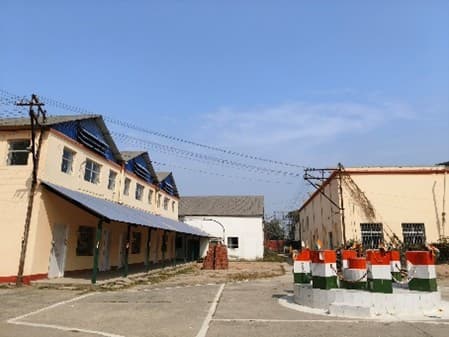
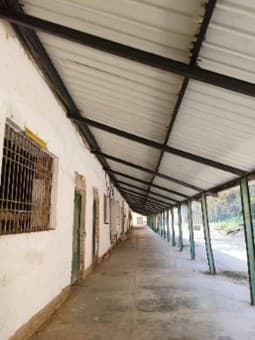
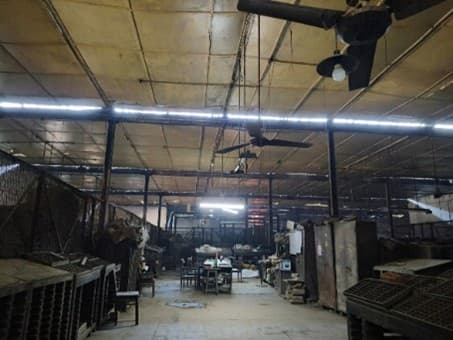
After the formation of the Bihar and Odisha provinces in 1912, the site was converted into a government printing press, housing machines such as the Babcock Cylinder Printing Machine, Original Heidelberg presses, and the Linotype Model 48.
The Christian Cemetery: Witness of an Episode that shook the 450+ years of Muslim rule in Bengal & Bihar
After the Battle of Plassey, Mir Zafar proved unreliable as a British puppet and was replaced by Mir Qasim. When Company officials abused the dastaks (free-trade permits), Qasim abolished internal customs duties for indigenous traders, angering the British. Ellis William, chief of the Patna factory, attempted to siege Patna, but failed. Qasim retaliated, capturing over 200 Company soldiers and imprisoning them at the residence of Haji Ahmed, the elder brother of Alivardi Khan.
Soon after, news arrived that Munger, Qasim's capital, had fallen. In response, he ordered the execution of the captives. His Indian soldiers refused, but an Alsatian mercenary, Walter Reinhardt Sombre, later known as the "Butcher of Patna," carried out the massacre on 5 October 1763.
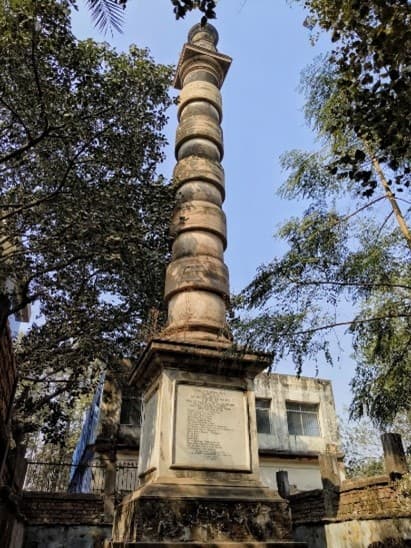
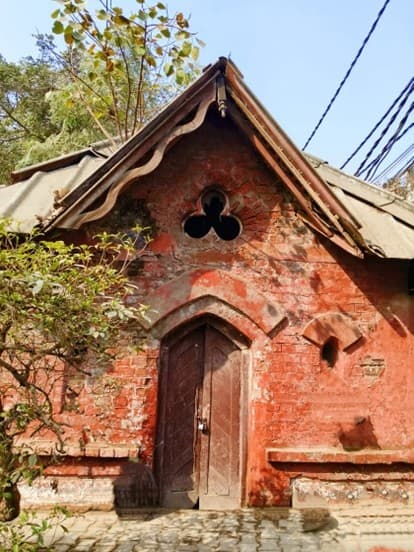
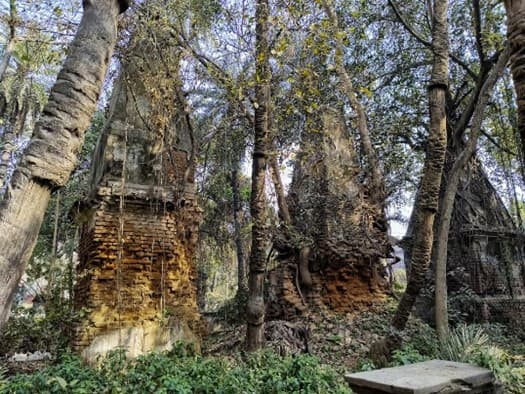
About 80 of the victims are buried in the Gulzarbagh Christian Cemetery, marked by a 70-foot obelisk erected by the British Government in 1880. The inscription listing the victims' names was corrected in the 1930s following the revisions by Sir Evan Cotton, after it was discovered that the earlier version included names unrelated to the event. Today, the cemetery has been reopened for burials by judicial order.
Paschim Darwaza: The Gateway of the medieval city
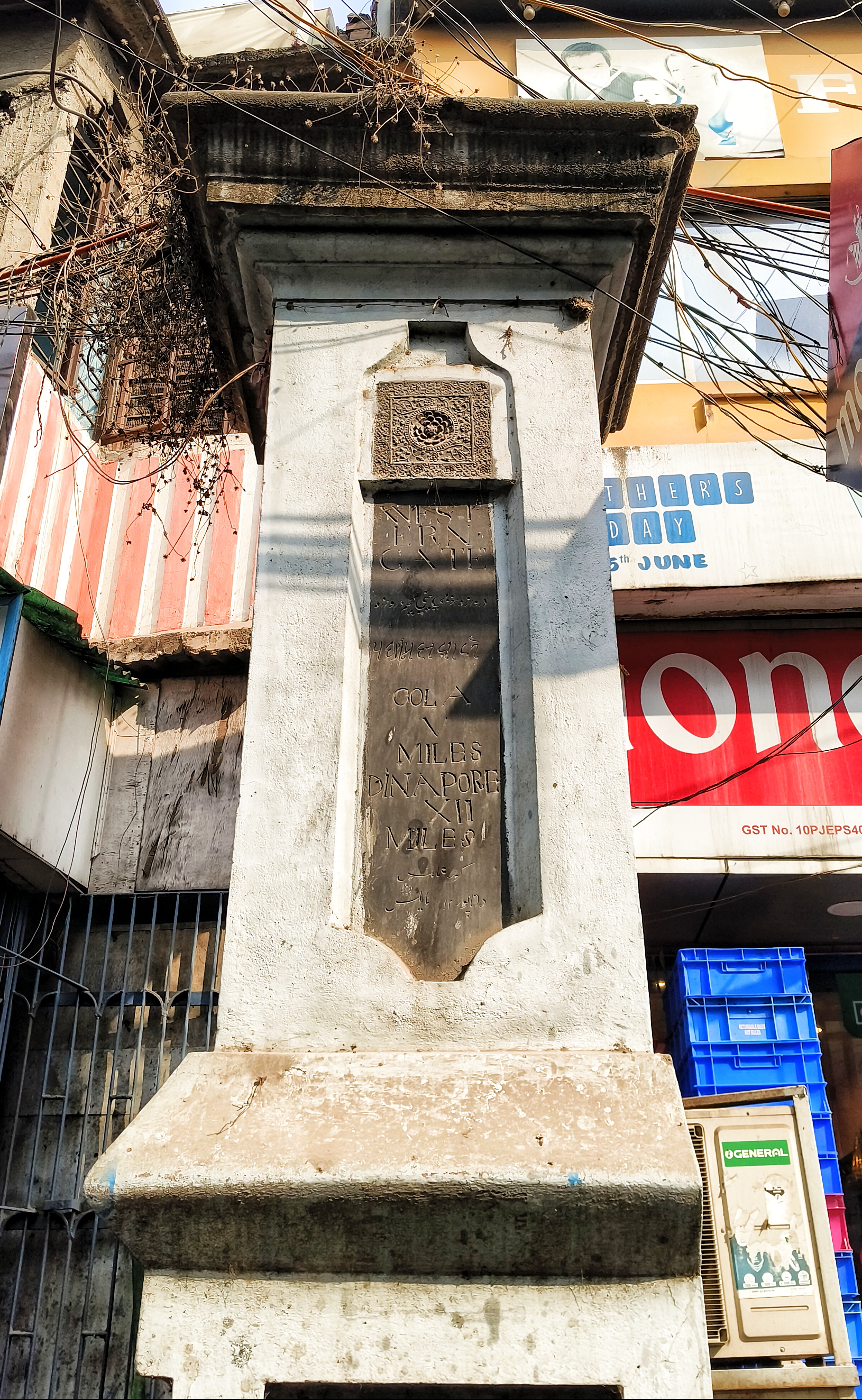
The Pashchim Darwaza marks the revival of the ancient city by Sher Shah as he shifted his capital from Biharsherif to Patna. At that time, Patna was called "Pattana," meaning the "mart." The Purab (eastern) Darwaza and Paschim (western) Darwaza enclosed the walled city of Patna. Inside these gates lay a long, narrow city with a main road running from one end to the other, along with smaller lanes branching off on both sides. The enclosed area included residential neighbourhoods, local shops, business establishments, mandis or Golas, and public buildings, forming the core of urban life in Patna.
The gate was made up of carved blocks of black stone. The areas in the interior (Qiladari area) of the wall comprised numerous administrative buildings, a large palace-complex of the subedar, and the mansions of high officials. In the accounts of Francis Buchanan, he refers to the fortification and palace (Chehel Sutun) within the walls.
The central English etching on the pillar clearly reads: "Western Gate (Top)" & "Gola V MILES DINA PORE XII MILES (Bottom)." The Kaithi script reads- "पछिम दरवाजा". The Urdu portion, Top Part: "Darwaza Maghribi City Pashchim Darwaza." Bottom Part: Gola 5 miles, Danapur 12 miles. The bottom part of the Darwaza is engraved with a tall, narrow rectangular panel carved in deep relief, resonating with the medieval bel-buta (creeper and leaf) motif.
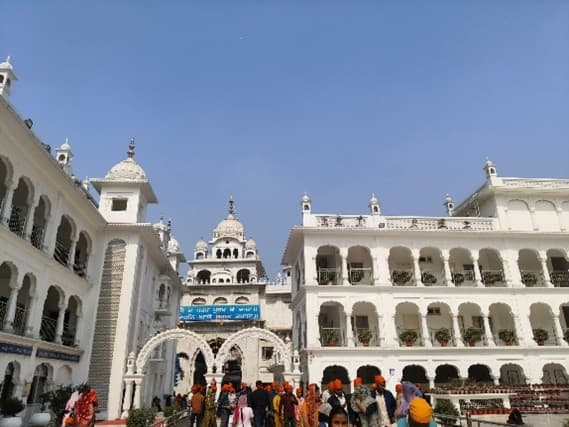
Takht Shree Harimandir ji, Patna Saheb: The birthplace of Guru Govind Singh Ji
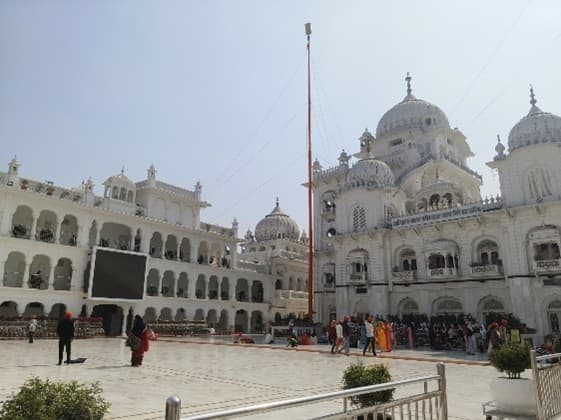
Takht Sri Harimandir Ji, one of the five most sacred seats of authority in Sikhism, preserves the "Pangura" or childhood cradle of Guru Gobind Singh Ji, who was born on this very site in 1666. Originally, the palatial haveli of the jeweler Salas Rai Johri, the site was transformed into a spiritual epicenter after being graced by Guru Nanak Dev Ji and Guru Tegh Bahadur Ji. Though the current majestic white structure was meticulously rebuilt following the devastating 1934 earthquake, it continues to house sacred relics and weapons of the tenth Guru. The Gurudwara's blend of Indo-Islamic and Sikh architecture, largely patronized by Maharaja Ranjit Singh, marks it as a global beacon of faith and sovereignty.
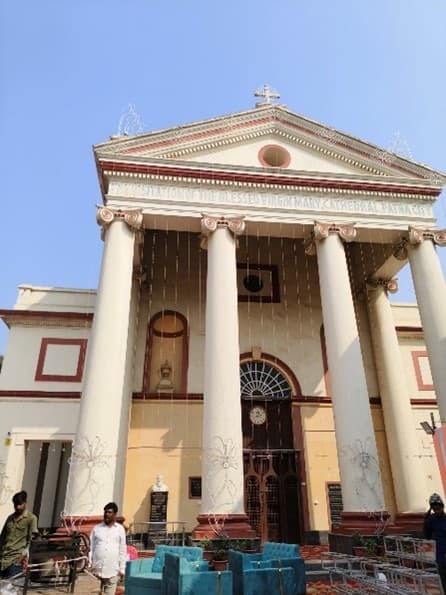
Padri Ki Haveli: The oldest spot of Christian faith in Bihar
The earliest known Christian missionary in Patna was Father Simon Figueiredo, a Jesuit who visited the city in 1620. Later, in 1707, Capuchin Fathers (Franciscan Friars) arrived at the site now known as Padri ki Haveli, while Patna largely served as a transit point for missionaries travelling to Tibet. In 1713, the Capuchins established a small chapel, the earliest Christian place of worship in this town.
After Father Horace de la Penna was forced to leave Lhasa in 1745, the mission gained greater importance. The original hospice was destroyed in 1763 by the forces of Mir Qasim, but Father Joseph of Roveto rebuilt the church between 1772 and 1779 on the same site. The present church was designed by Signor Tirotto of Venice, who travelled from Kolkata to prepare its design.
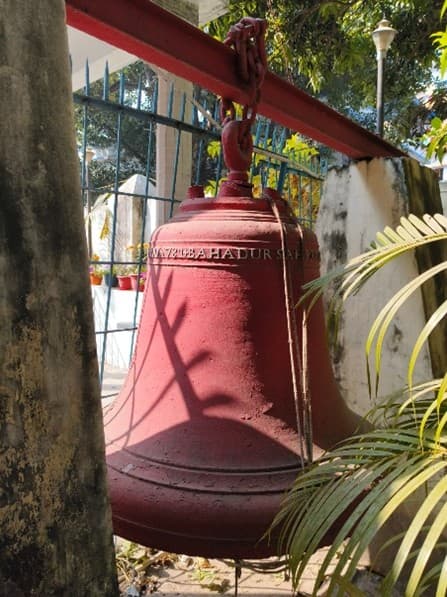
An Ashtadhatu bell weighing about 5,000 kg, donated by Prince Bahadur Shah of Nepal, still hangs in the church premises. In 1845, Patna became the headquarters of the Vicariate Apostolic, a Catholic administrative unit. Later, on 17 August 1948, Mother Teresa arrived in Patna with five rupees, spent three months training with the American Medical Missionary Sisters, and then returned to Calcutta.
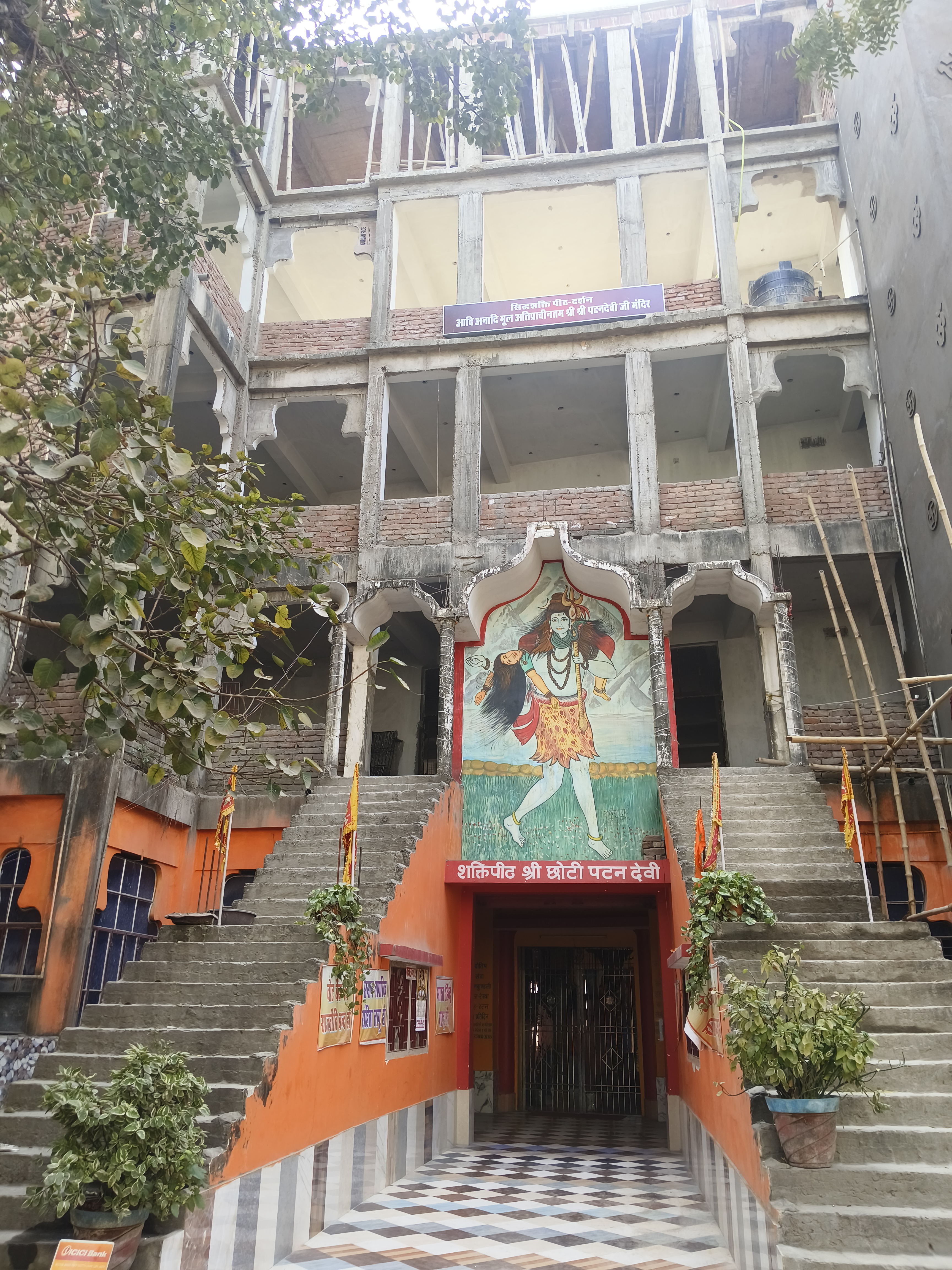
The Choti Patan Devi Temple: A Shaktipeetha
The Chhoti Patan Devi Temple, located in the Chowk area of Patna City, is historically regarded as the principal presiding deity of Patna. The shrine, also known as Maa Sarvanand Kari Patneshwari, is traditionally believed to be around 2,500 years old and is identified as one of the Shakti Peethas of India. Mythological traditions associate the temple with Prince Putraka, the legendary founder of Pataliputra.
The late eighteenth-century surveyor Francis Buchanan recorded that Chhoti Patan Devi was considered the main presiding deity of Patna during his time. He also noted that three images, Ganesha, Vishnu, and Surya, were installed in the temple by Raja Man Singh, the Mughal general of Emperor Akbar, in the late sixteenth century.
Historians suggest that temples existed at the site between the ninth and eleventh centuries, which were likely destroyed during the incursions of Bakhtiyar Khilji around 1290 CE. The shrine was later reconstructed by Raja Man Singh in the sixteenth to seventeenth centuries and remains an important religious site in old Patna City.
Mir Ashraf Ki Masjid: A one-of-a-kind mosque built by a merchant
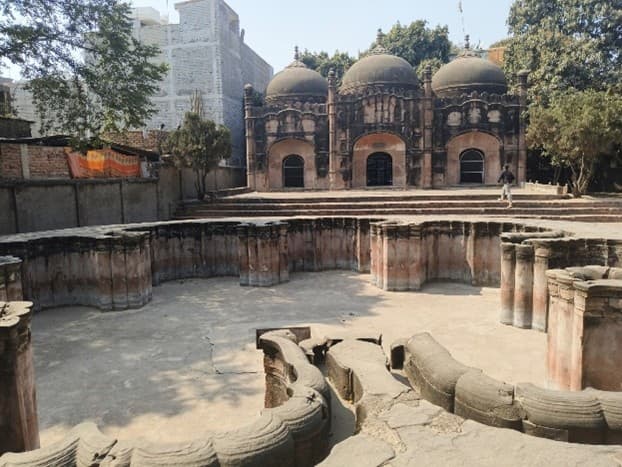
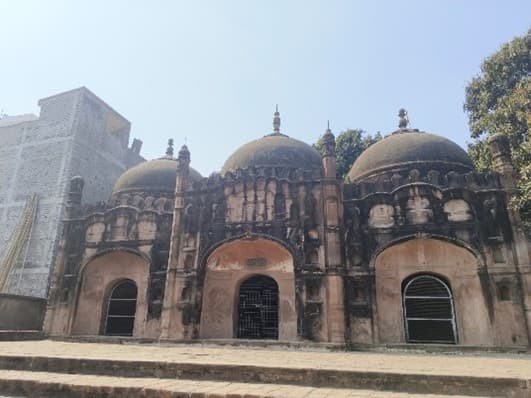
Located in the Chowk–Shikarpur area of Patna City, it was constructed in 1774–75 CE (1187 AH) by the merchant Khawaja Ashraf (Meer Ashraf). The mosque complex, including its ablution tank and pucca well, is listed as a Centrally Protected Monument under the Archaeological Survey of India (ASI), Patna Circle.
Mir Ashraf belonged to a prominent Armenian mercantile family from Patna. He was the grandson of Khwaja Abdul Gani. The family was engaged in cotton textile, saltpeter, and opium trade. Mir Ashraf was well connected to Khoja Wajid, a major merchant at the Murshidabad court of the Nawabs of Bengal.
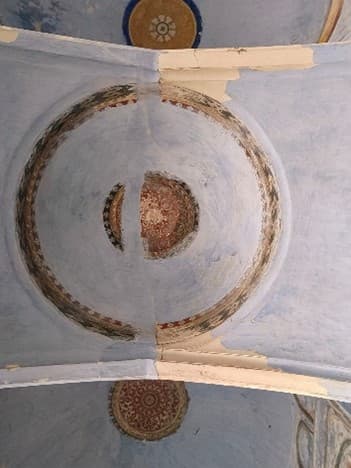
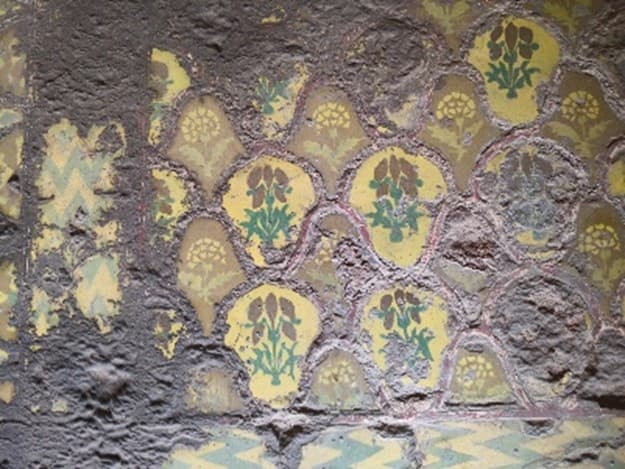
Architecturally, the mosque reflects the late Mughal "Azeemabad" style, with a three-domed structure where the central dome is larger than the flanking domes. The courtyard contains an octagonal lotus-shaped ablution pool (wazukhana) and a circular masonry well for ritual ablutions. Persian inscriptions at the entrance praise Mughal emperor Shah Alam II, while interior inscriptions include the Islamic declaration of faith and the names of the four caliphs.
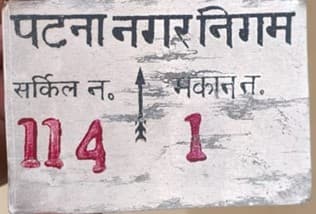
Badshah Manzil: The House No.1 of Patna City
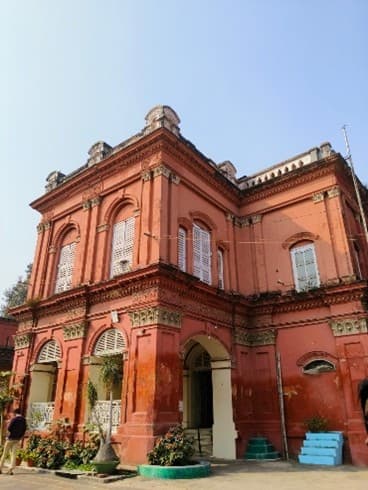
Badshah Manzil, located in Guzri Bazaar, Patna City, was built in 1895 as the residence of Syed Badshah Nawab Rizvi (Syed Mohammad Mehdi Hasan / Syed Mohammad Mahdi Husain Khan), a prominent landowner and philanthropist. He was the son of Nawab Syed Lutf Ali Khan and inherited estates extending from Patna to Bhagalpur, with an annual income of about ₹1,25,000. Rizvi served as Vice-Chairman of Patna Municipality, Honorary Magistrate, and Member of the Patna District Board, attended the Delhi Durbars of 1903 and 1911, and received the title of Nawab in 1909.
He dedicated an estate yielding ₹16,000 annually for charitable purposes and used it to promote girls' education. This led to the establishment of Madrasa Islamia, later known as BNR College (Badshah Nawab Rizvi College) around 1909, a women's institution that today functions as a teacher-training college under the Government of Bihar. Anees Fatima, Bihar's first Muslim woman MLA, received her primary education at the BNR School. His monetary contributions are also commemorated through the Gujri Ward of Patna Medical College.
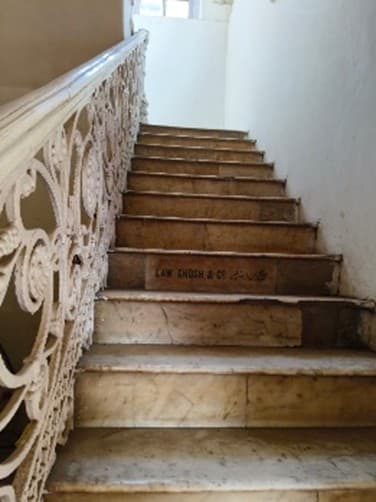
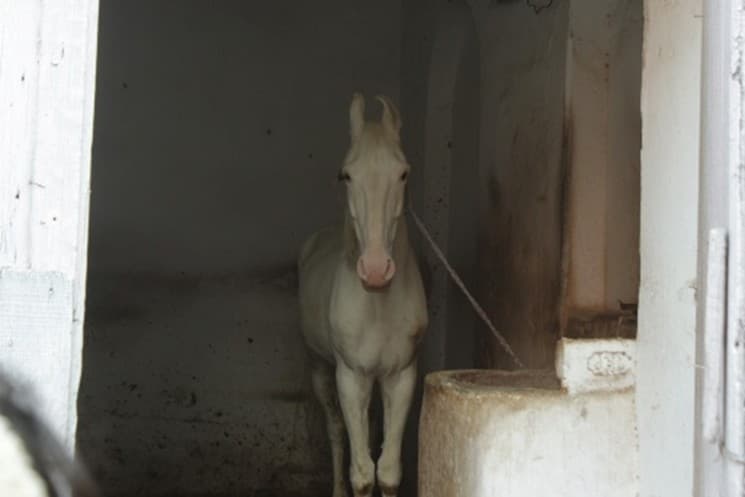
The interiors contain marble staircases marked "LAW GHOSH & CO," checkerboard marble flooring with geometric inlays, Persian calligraphy panels, and other decoratives. A horse kept at the entrance symbolizes Zuljanah, the horse of Imam Hussain, reflecting Shia devotional traditions associated with the Battle of Karbala (680 CE).